What Research Says About Cryotherapy and Recovery

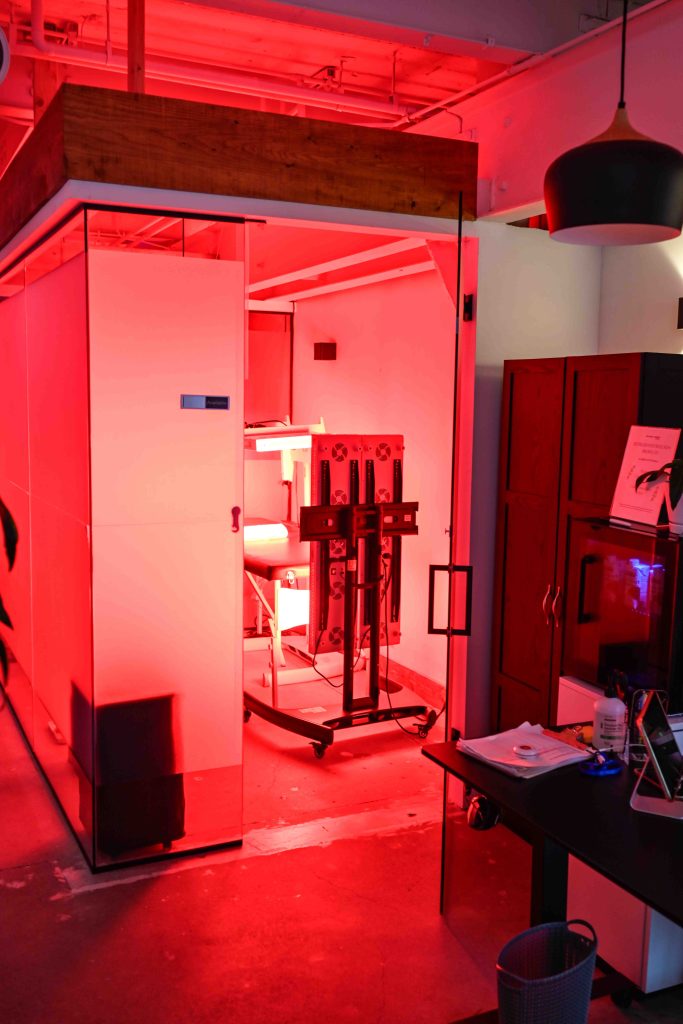
Walk into almost any serious training facility now and you will hear some version of the same question after a hard session: should I jump into cold water, book a whole-body Cryotherapy session, or leave recovery alone and let the body adapt?
That question matters because recovery is not a vague wellness concept. It shapes how quickly soreness settles, how much quality training you can repeat later in the week, and in some cases whether you preserve the very adaptation you were trying to create. Cold exposure sits right in the middle of that tension. It can make people feel better fast. It can also change the biology of repair and adaptation in ways that are not always helpful.
The research on Cryotherapy and recovery is more nuanced than the marketing around it. There are settings where cold helps. There are settings where it may be neutral. There are also scenarios where routine use appears to blunt gains, especially if the goal is long-term strength or muscle growth. The best use is usually strategic rather than automatic.
What people mean when they say Cryotherapy
The term gets used loosely, and that creates confusion when people compare outcomes. In research and in practice, cold-based recovery methods usually fall into a few buckets. Cold-water immersion is the best studied. That typically means sitting in water somewhere around 10 to 15 degrees Celsius for roughly 10 to 15 minutes, though protocols vary. Whole-body Cryotherapy usually means standing in a chamber exposed to extremely cold air, often well below minus 100 degrees Celsius, for two to four minutes. Local ice packs, ice baths, and contrast therapy all get swept into the same conversation, but they do not produce identical effects.
That distinction matters. A football player stepping into a tub after repeated sprint work is not doing the same thing, physiologically, as someone spending three minutes in a chamber after lifting weights. Skin cooling, muscle cooling, hydrostatic pressure, and total body exposure all differ. Cold water does more than cool tissue. The pressure of immersion can shift fluid movement and may influence swelling and perceived heaviness in the legs. Whole-body Cryotherapy looks dramatic and feels intense, but the actual drop in deeper muscle temperature may be smaller than many people assume because exposure is brief.
When athletes tell me, “Cryotherapy works for me,” the first follow-up question is always, “Which kind?” The second is, “Works for what?” Reduced soreness by the next morning is not the same outcome as faster sprint times forty-eight hours later.
Why cold feels helpful so quickly
The appeal of cold recovery is easy to understand. Hard training creates a mix of fatigue, microtrauma, fluid shifts, inflammatory signaling, and plain old discomfort. Cold can dampen pain perception, lower tissue temperature near the surface, and in water immersion settings may reduce the sense of swelling or heaviness in exercised limbs.
That immediate relief is real for many people. Athletes often report feeling fresher and more willing to train again. In team settings, that subjective response has value. If you have a match on Wednesday and another on Saturday, feeling less sore can help the second performance even if the underlying physiology is not fully restored.
Research broadly supports this short-term picture. Cold-water immersion often reduces delayed onset muscle soreness and can improve perceived recovery over the next day or two. Effects on objective performance markers are more mixed, but some studies show modest benefits for repeated performance when recovery windows are short and exercise has created substantial fatigue.
The key phrase there is “short-term.” A lot of cold-recovery research points to symptom relief and temporary restoration, not a magic acceleration of every repair process.
What the evidence says about soreness, fatigue, and performance
If the question is whether cold can reduce soreness after hard exercise, the answer is generally yes, especially with cold-water immersion. Across many studies and systematic reviews, people tend to report less muscle soreness in the 24 to 96 hours after exercise when they use cold-water immersion compared with passive recovery. The effect is not enormous, but it is consistent enough to take seriously.
The picture gets murkier when the outcome is actual performance. Jump height, sprint times, maximal strength, and endurance markers do not all respond the same way. Some studies show better recovery of performance after intermittent team-sport efforts or tournament-style schedules. Others show little difference. The inconsistency usually comes down to timing, the kind of exercise performed, and the exact recovery method used.
For example, after repeated sprinting in hot conditions, cold-water immersion may help the athlete feel cooler, less taxed, and somewhat more prepared for another bout. After a single heavy resistance session, it may reduce soreness without meaningfully improving force production the next day. After endurance events, results vary depending on heat stress, exercise volume, and how soon another effort is required.
Whole-body Cryotherapy has less robust evidence than cold-water immersion. That does not mean it never helps. It means the research base is thinner and protocols are less standardized. Some studies show improved perceived recovery and reduced soreness. Fewer demonstrate clear superiority over simpler, cheaper options. In practical terms, if someone has access to a Cryotherapy chamber and likes it, that preference can matter. But the current evidence does not make a strong case that the chamber is consistently better than an intelligently used ice bath or cold-water immersion protocol.
The trade-off that strength athletes need to understand
This is where recovery conversations get more interesting and, for some people, uncomfortable. The body does not adapt to training by avoiding stress. It adapts by responding to it. Inflammation, cellular signaling, and the remodeling that follows exercise are part of the process. If you repeatedly suppress parts of that response, you may feel better in the moment while subtly interfering with the changes you want over weeks and months.
Research over the last decade has raised real concerns about regular cold-water immersion after resistance training. Several studies have found that post-lifting cold-water immersion can reduce markers associated with muscle protein synthesis and may blunt gains in muscle size and strength when used routinely. Not every study shows the same magnitude of effect, but the pattern is strong enough that most performance practitioners now avoid recommending habitual post-lift cold exposure during hypertrophy or strength-building phases.
This is one of those areas where context beats slogans. If a rugby player is in a congested competition schedule and needs to be ready to perform again in forty-eight hours, reducing soreness and restoring function may matter more than maximizing hypertrophy signaling from one session. If an off-season lifter is trying to add muscle over twelve weeks, jumping into cold water after every squat day is harder to justify.
I have seen this play out in practice. Athletes love the immediate “reset” feeling after cold immersion. They sleep better, move easier, and come in the next day convinced they recovered faster. Then you look at the calendar and realize they are using the same strategy after every strength session for months. That is where coaching judgment matters. Acute comfort is not the same thing as long-term progress.
Endurance athletes face a different equation
For endurance work, the downside appears less clear-cut. The adaptations endurance athletes seek are not identical to those sought by lifters, and cold exposure may fit more naturally into certain endurance settings. If the session took place in hot conditions, or if the athlete needs rapid recovery before another race or stage, cold-water immersion can be useful. It may lower thermal strain, improve comfort, and help maintain performance across repeated efforts.
That said, even for endurance athletes, more is not always better. If every moderate training day ends with aggressive cold exposure, there is still reason to wonder whether some adaptation signals are being muted. The evidence is not as definitive as it is for hypertrophy and strength, but the broad principle holds: use recovery methods in service of the training goal, not as a ritual disconnected from it.
Cyclists and runners often notice another practical wrinkle. Very cold protocols can leave muscles feeling flat or stiff if there is not enough time to rewarm before the next activity. That is one reason some athletes prefer cold later in the day rather than immediately before technique work or speed development.
Timing changes the answer
One of the biggest mistakes in recovery is treating timing as an afterthought. The same Cryotherapy session can be helpful in one window and unhelpful in another.
Right after resistance training is the most debated timing, especially if muscle growth is the goal. That is where the evidence for blunted adaptation is most relevant. After matches, tournaments, or exceptionally damaging sessions during dense competition periods, cold makes more sense because performance readiness becomes the priority.
There is also a difference between occasional use and daily use. Pulling out cold-water immersion after a brutal travel-heavy weekend is not the same as scheduling it five times a week because it feels disciplined. Many recovery tools work best when they remain tools rather than habits.
A simple way to think about timing is this:
- Use cold more readily when the next performance matters more than the next adaptation.
- Be cautious with cold after strength or hypertrophy sessions if long-term gains are the priority.
- Match the method to the stress, meaning more support after extreme heat, tournament play, or repeated efforts.
- Avoid assuming that feeling better immediately means the body adapted better over time.
That framework keeps the conversation grounded. Recovery is not only about reducing discomfort. It is about choosing what to preserve and what to allow.
What mechanisms researchers think are involved
Cold recovery is not mysterious, but it is often oversimplified. Researchers have proposed several mechanisms for why it can help with symptoms and short-term readiness.
Pain modulation is one obvious pathway. Cold can reduce the sensation of soreness and alter nerve conduction enough to make tissues feel less irritated. Inflammation is another. Exercise-induced inflammation is not inherently bad, but excessive inflammatory response can contribute to soreness and temporary performance loss. Cold may dampen part of that process.
In water-based methods, hydrostatic pressure likely contributes as well. Being immersed places external pressure on the limbs, which may influence fluid movement and the feeling of puffiness or heaviness after hard exercise. This is one reason cold-water immersion and whole-body Cryotherapy should not be treated as interchangeable just because both are cold.
Vascular responses matter too. Cold causes vasoconstriction during exposure, followed by rewarming effects afterward. These changes may influence tissue perfusion and the recovery experience, though simple claims like “cold flushes out lactic acid” do not hold up well. Lactate clearance is not the main story here, and it is usually handled efficiently by the body without dramatic intervention.
The adaptation concern comes from another side of the biology. Muscle growth and remodeling rely on signaling pathways that respond https://www.quora.com/profile/SDBody-Mission-Hills to training stress. Repeated aggressive cooling after lifting may reduce some of that signaling. That does not make cold bad. It makes it a lever that needs to be pulled at the right time.
What the studies do not settle cleanly
It would be easier if the literature gave one tidy answer, but there are stubborn limitations. Protocols differ. Water temperatures vary. Exposure duration varies. Participants range from untrained students to elite athletes. Exercises range from downhill running to team-sport simulation to heavy resistance training. Researchers measure everything from soreness ratings to creatine kinase to sprint ability, and those outcomes do not always move together.
This heterogeneity explains why headlines can mislead. One paper may suggest meaningful benefits, another minimal change, and both can be reasonable within their own context. The mistake is pretending that “Cryotherapy works” or “Cryotherapy does not work” is a complete statement.
There is also a placebo and expectation component. Recovery is partly subjective, and subjectivity matters. If an athlete believes a postgame cold routine helps them reset, sleep, and return with confidence, that has practical value. Still, belief should not overrule physiology when long-term adaptation is on the line.
Another limitation is the gap between elite sport and the average gym member. Professional athletes often use cold within highly structured systems that include nutrition, sleep support, load management, and medical oversight. A recreational lifter reading about an Olympic team’s recovery room should not assume the same intervention has the same payoff in a totally different training environment.
When Cryotherapy is most useful in the real world
Used well, Cryotherapy is a situational tool. Used poorly, it becomes expensive theater or a recovery crutch.
It tends to make the most sense in competition-heavy settings, especially when soreness and residual fatigue threaten the next performance. Team sports with back-to-back matches, tournaments, or travel stress are obvious examples. Hot environments can also tip the balance in favor of cold recovery. So can phases where an athlete is carrying unusually high training load and the immediate goal is maintenance rather than adaptation.
In my experience, the athletes who benefit most are not necessarily those who use it most often. They are the ones who use it with clear intent. A midfielder after ninety hard minutes and another fixture two days later has a very different case from a recreational lifter doing a normal Tuesday workout.
Here is where Cryotherapy often earns its place:
| Situation | Likely value of cold recovery | |---|---| | Congested competition schedule | Often helpful for soreness and readiness | | Heavy resistance training block focused on muscle growth | Use cautiously, may blunt adaptation if routine | | Endurance event in hot conditions | Can be helpful, especially for comfort and repeat efforts | | General wellness after moderate training | Limited need, benefit mostly subjective | | Acute injury management | Separate issue, depends on diagnosis and clinical advice |
The table is intentionally simple because the decision is usually simple once the goal is clear. If you are chasing tomorrow’s performance, cold often has a role. If you are chasing next season’s adaptation, the answer becomes more selective.
Safety, tolerance, and the less glamorous realities
Cold exposure is not risk-free just because it is trendy. People with certain cardiovascular issues, cold sensitivity, Raynaud’s phenomenon, or other medical concerns should be cautious and get appropriate medical guidance. Whole-body Cryotherapy chambers also require reputable operators and proper protocols. More extreme temperatures do not automatically create better outcomes.
Tolerance varies a lot. One athlete handles ten minutes in cool water comfortably. Another becomes tense, hyperventilates, and steps out more stressed than recovered. That matters because recovery should not become another physiological burden. If the method reliably spikes anxiety or ruins the rest of the day, it may not be the right tool even if the research says it can help in principle.
There is also the issue of cost and accessibility. Whole-body Cryotherapy is expensive in many settings. Cold-water immersion is not glamorous, but it is often more practical and better studied. If a simpler method gives similar recovery benefits, paying a premium for a chamber is hard to defend unless the individual strongly prefers it and can afford it.
How to make a sensible decision
For most people, the smartest question is not “Should I do Cryotherapy?” It is “What am I trying to recover for?”
If the answer is a game, race, or repeated session in the next day or two, cold may be useful. If the answer is long-term strength and muscle gain, routine post-lift cold should probably move lower on the list. Nutrition, sleep, load management, and basic consistency usually matter more than any recovery modality. Cold can support those fundamentals. It cannot replace them.
A practical approach is to test it selectively rather than build it into every training day. Use it after your most damaging competition or after the rare stretch where recovery time is compressed. Track how you feel, how you perform, and whether it changes anything that matters. Keep the lens broader than soreness. The body can feel less sore and still adapt less well if the timing is wrong.
That is the central lesson from the research. Cryotherapy is not nonsense, and it is not magic. It is a targeted intervention with clear short-term benefits for soreness and perceived recovery, mixed effects on objective performance, and legitimate concerns when used routinely after resistance training aimed at building muscle and strength. The best practitioners do not ask whether cold is good or bad. They ask whether cold is appropriate for the demand in front of them.
Used that way, Cryotherapy becomes what it should be, one useful option in a larger recovery strategy, not the strategy itself.
SDBody Mission Hills
Address: 1747 Hancock St Ste C, San Diego, CA 92101
Phone number: +16197720252
FAQ About Cryotherapy
What does cryotherapy do for your body?
Cryotherapy exposes the body to extremely cold temperatures for a few minutes to trigger natural healing and recovery responses.
What are the negatives of cryotherapy?
The primary negatives of cryotherapy include skin burns, frostbite, temporary nerve irritation, and temporary spikes in blood pressure caused by extreme cold.
How much does cryotherapy typically cost?
A single session of non-medical cryotherapy typically costs between $40 and $100. However, prices vary significantly depending on the specific type of treatment, your location, and whether you purchase a membership or package.